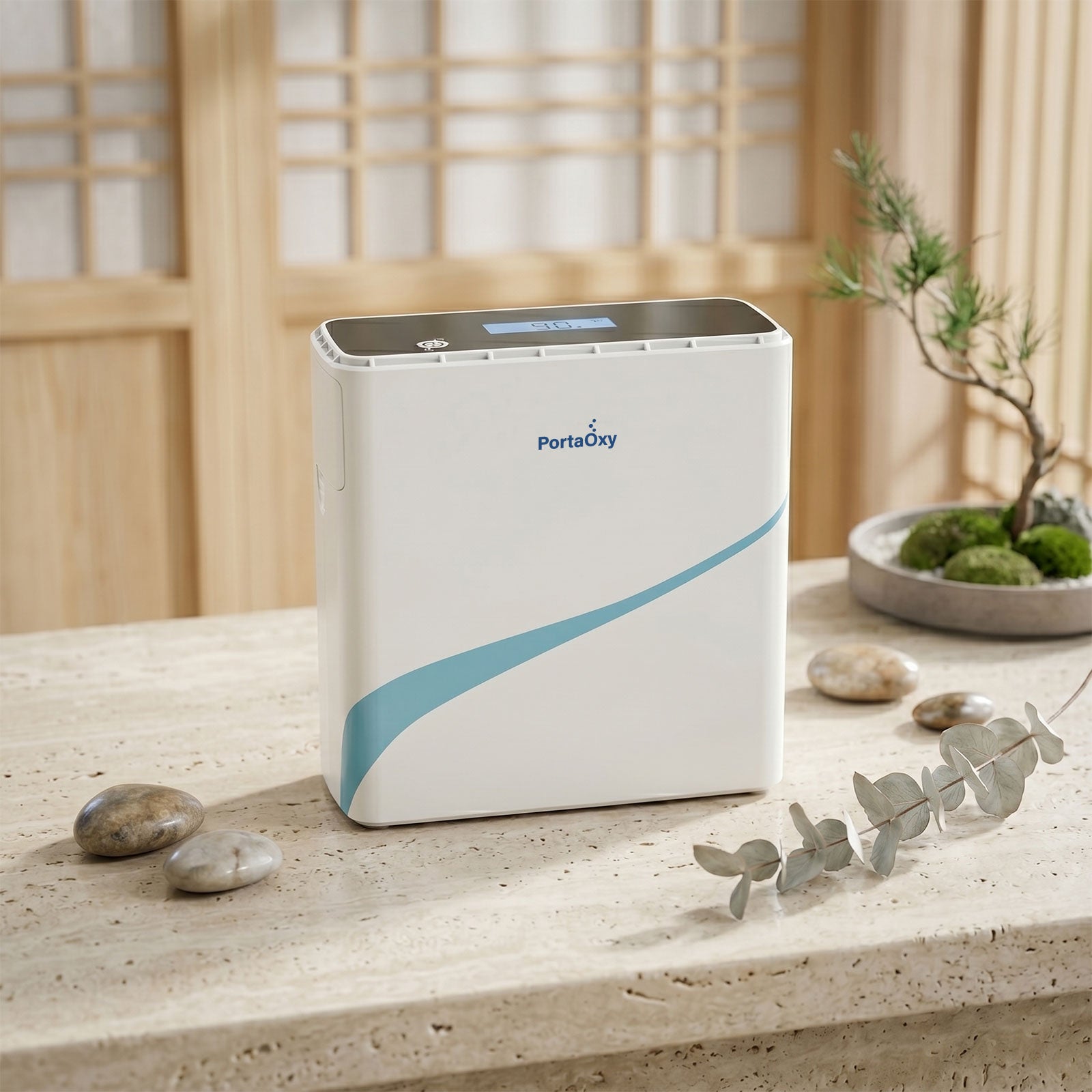
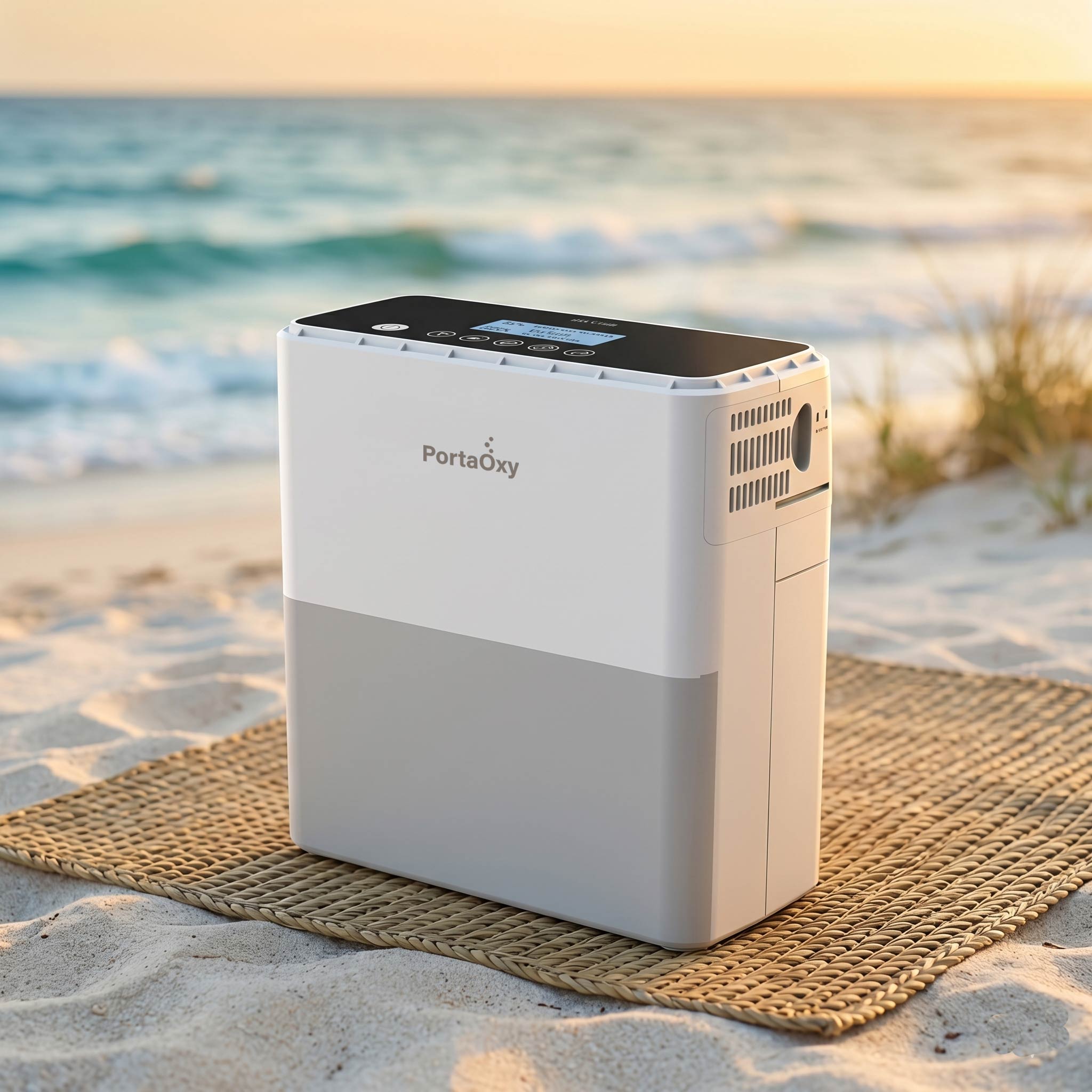


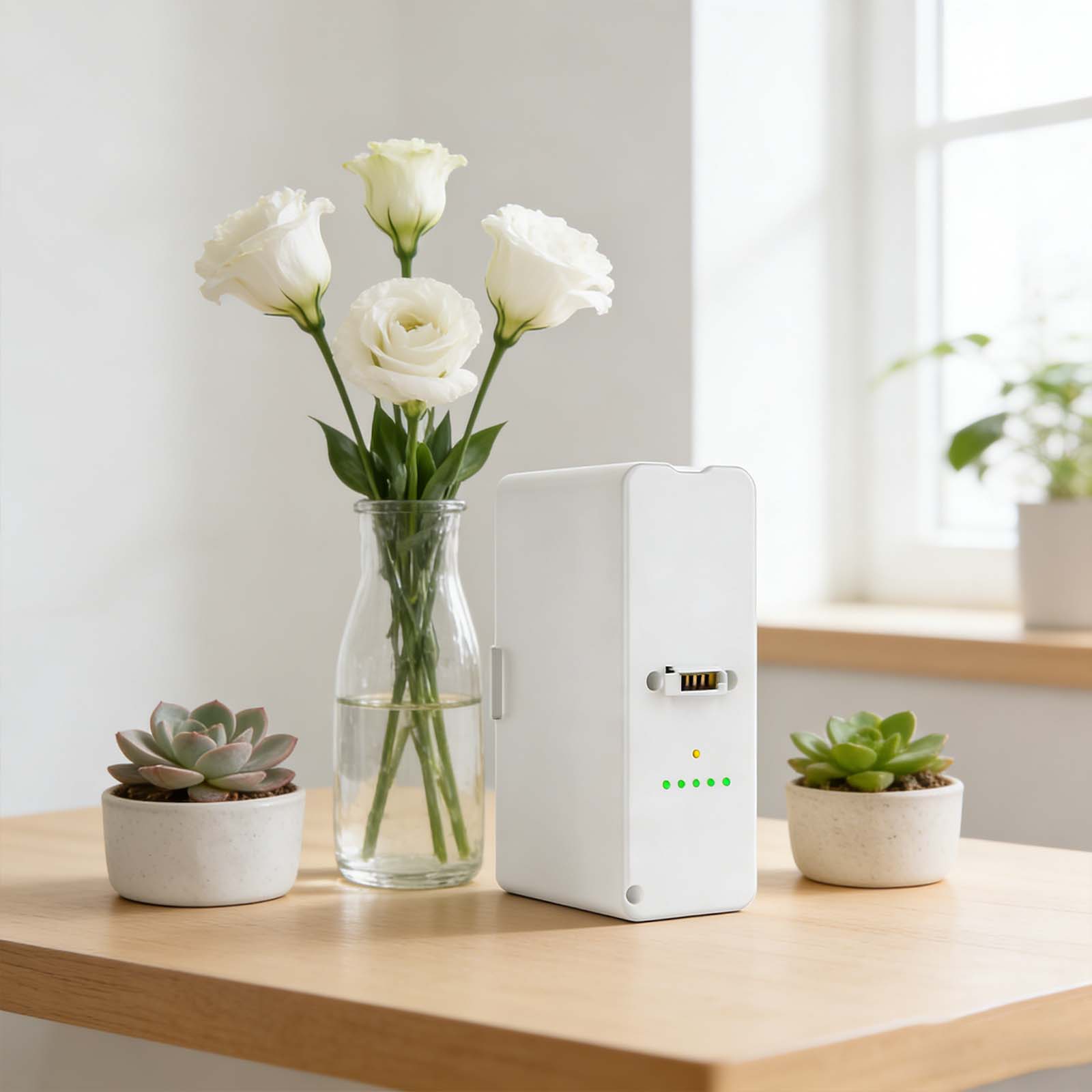

If you’re thinking about getting an oxygen concentrator, it’s helpful to know the different types available. The two main kinds you’ll hear about are the continuous oxygen concentrator and the pulse oxygen concentrator. Understanding their differences can help you pick a device that fits your daily routine and lifestyle.
Understanding Oxygen Concentrators
Oxygen concentrators are designed to provide oxygen in different ways, for different levels of need, and for either home use or mobility. To make it simple, we can look at them from three main perspectives: delivery method, usage type, and oxygen output.
Types at a Glance
| Category | Type | Description | Pros | Cons | Best For |
|---|---|---|---|---|---|
| Delivery Method | Continuous Oxygen Concentrator | Delivers a steady flow of oxygen all the time | Reliable, easy to use at home, supports higher flow rates (1L–10L) | Usually larger and heavier | People who need oxygen consistently at home |
| Pulse Oxygen Concentrator | Delivers oxygen only when you inhale | Lightweight, energy-efficient, portable | Not ideal for high-flow needs, may not suit all users | People who are active or need oxygen occasionally | |
| Usage Type | Home Unit | Plug-in device, designed for consistent home use | Higher output options, stable operation | Large, not portable | Home use with steady oxygen needs |
| Portable Unit | Battery-powered, easy to carry | Convenient for travel, small and light | Usually lower output (1L–3L), shorter battery life | People who travel or spend time outdoors | |
| Oxygen Output | 1L, 2L, 5L, 10L | Oxygen delivery range varies by model | Options to match user needs | Higher output models can be heavier | Choose based on personal oxygen requirement |
Oxygen Concentrators by Delivery Method
Oxygen concentrators can be divided into two main types based on how they deliver oxygen:
- Continuous Oxygen Concentrators: These devices provide a steady flow of oxygen around the clock. They are ideal for home use or situations where uninterrupted oxygen is preferred. Typical models can deliver from 1L up to 10L per minute. For example, a 5L continuous concentrator can supply oxygen steadily for several users with moderate needs.
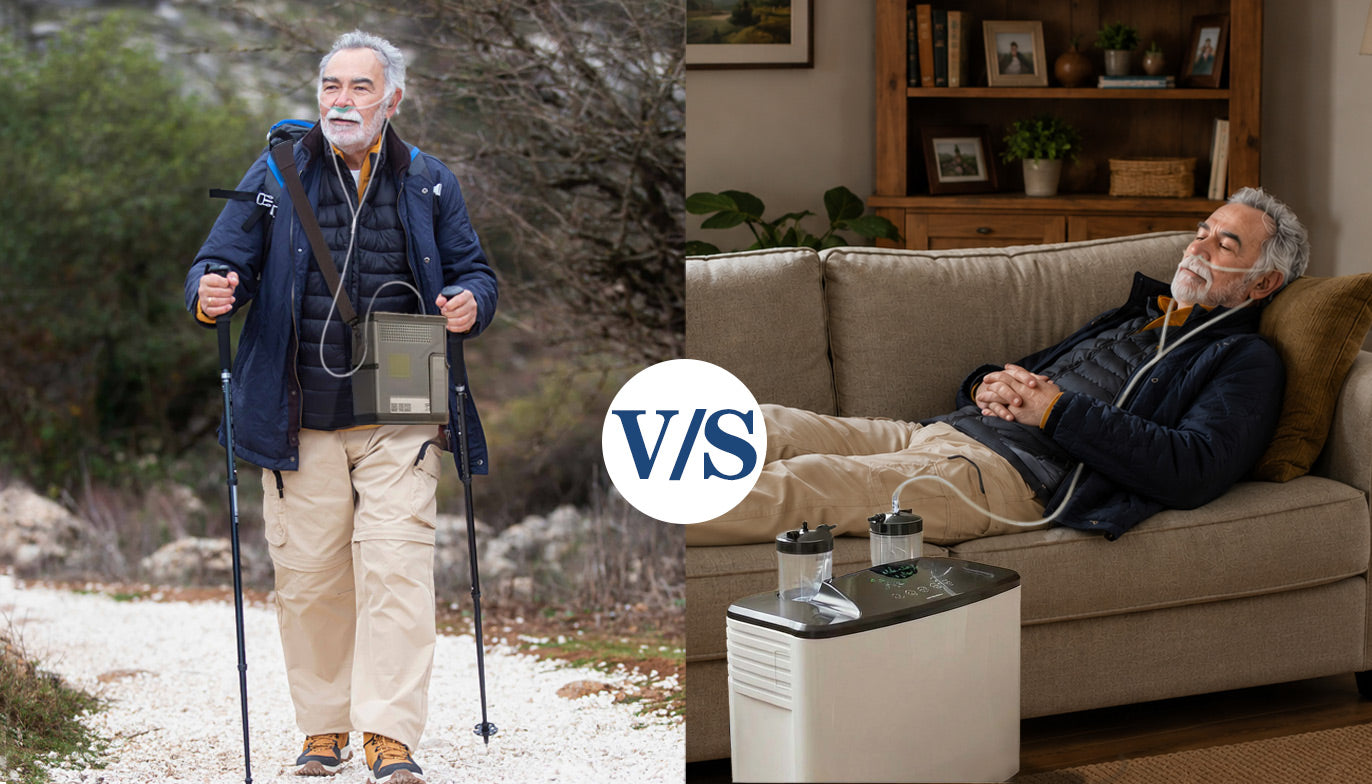
- Pulse Oxygen Concentrators: Also called “on-demand” concentrators, these devices deliver oxygen only when you inhale. They are often smaller, lighter, and more energy-efficient than continuous models. This makes them suitable for people who are active or need oxygen only intermittently.
Portable vs. Home Units
Another way to categorize oxygen concentrators is by mobility:
- Home Units: These are generally larger, plug-in devices designed for consistent use at home. They often offer higher oxygen output (up to 10L per minute) but are not convenient to carry around.
- Portable Units: Equipped with rechargeable batteries, these devices are designed for travel or outdoor activities. They usually provide lower oxygen flow (1L–3L per minute), but the convenience of portability is a major advantage.
Oxygen Output Options
Oxygen concentrators also differ by output: 1L, 2L, 5L, 10L, and beyond. Choosing the right output depends on individual needs. A higher-output continuous concentrator is often used in stationary settings, while a lower-output pulse unit is great for mobility.

Continuous vs. Pulse: What’s the Difference?
Continuous oxygen concentrators provide a steady, uninterrupted flow of oxygen. This is particularly useful for people who need oxygen most of the day, including at night. They are often larger and designed to stay in one place.
Pulse oxygen concentrators deliver oxygen only when you inhale. This design makes them lighter and more energy-efficient, perfect for travel or outdoor use. While they are convenient, they usually can’t deliver the same high flow rates as continuous models.
Who Should Choose Which?
- Continuous Oxygen Concentrator: Ideal for people who need oxygen throughout the day or night, mainly at home. Best if your oxygen needs are higher or continuous.
- Pulse Oxygen Concentrator: Ideal for people who are active, like going for walks or traveling. Works well if your oxygen requirement is intermittent or lower.
Making Your Choice
When choosing a device, consider:
- How often you need oxygen – all day or only occasionally.
- Where you’ll use it – mostly at home or on the go.
- The flow you need – low (1–2L), medium (5L), or high (10L).
By understanding these options, you can pick an oxygen concentrator that fits your lifestyle, keeps things simple, and supports your daily activities comfortably.


Leave a comment
This site is protected by hCaptcha and the hCaptcha Privacy Policy and Terms of Service apply.