

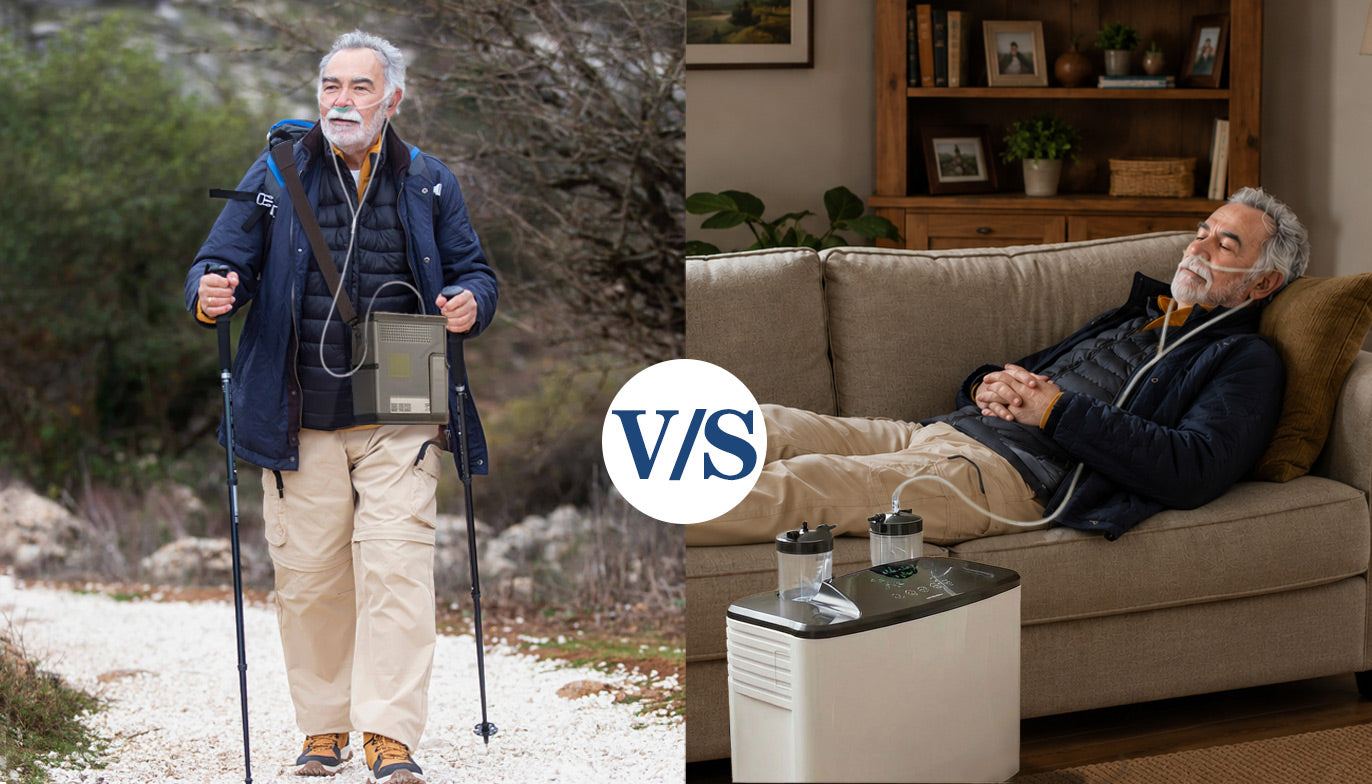
When looking for an oxygen concentrator, understanding the difference between a continuous oxygen concentrator and a pulse oxygen concentrator is key. Both types provide oxygen in different ways and serve different lifestyle needs, from home use to outdoor activities.
Continuous Oxygen Concentrators
Continuous oxygen concentrators deliver a steady, uninterrupted flow of oxygen. They are ideal for home use and can come in large models, such as 5L or 10L machines. These home units provide reliable oxygen output but are heavy and not portable, making them impractical for outdoor activities.
Some well-known continuous models include:
Inogen At Home® Stationary Oxygen Concentrator
- Model Name: Inogen At Home continuous flow stationary oxygen concentrator.
- Oxygen Delivery: Continuous flow from 1–5 liters per minute.
- Oxygen Concentration: Standard ~90 % (typical for home units of this class).
- Weight: ~18 lbs — one of the lighter home concentrators.
- Power: AC powered (no battery).
- Typical Price: Around $1,700 – $1,800 USD (varies by retailer).
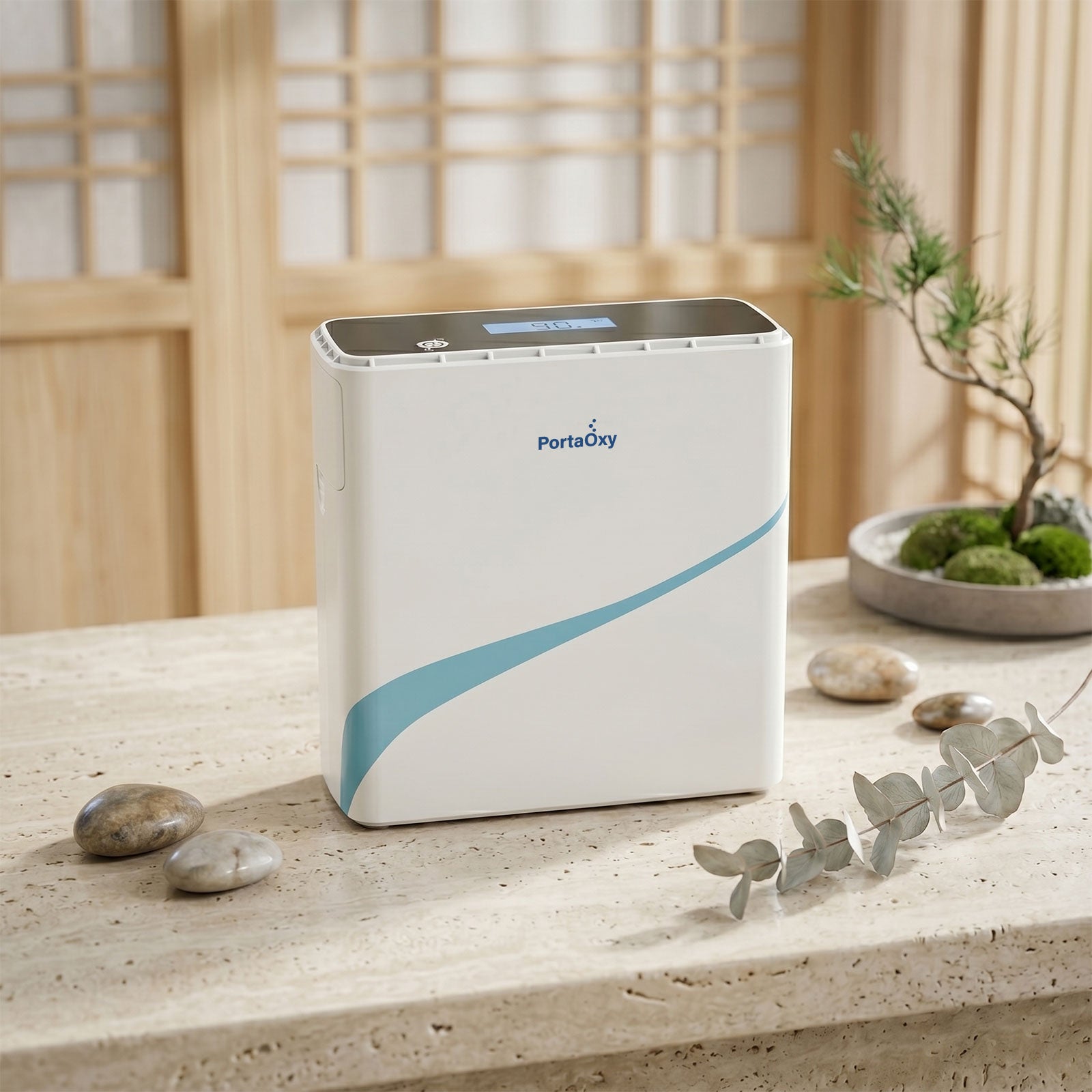
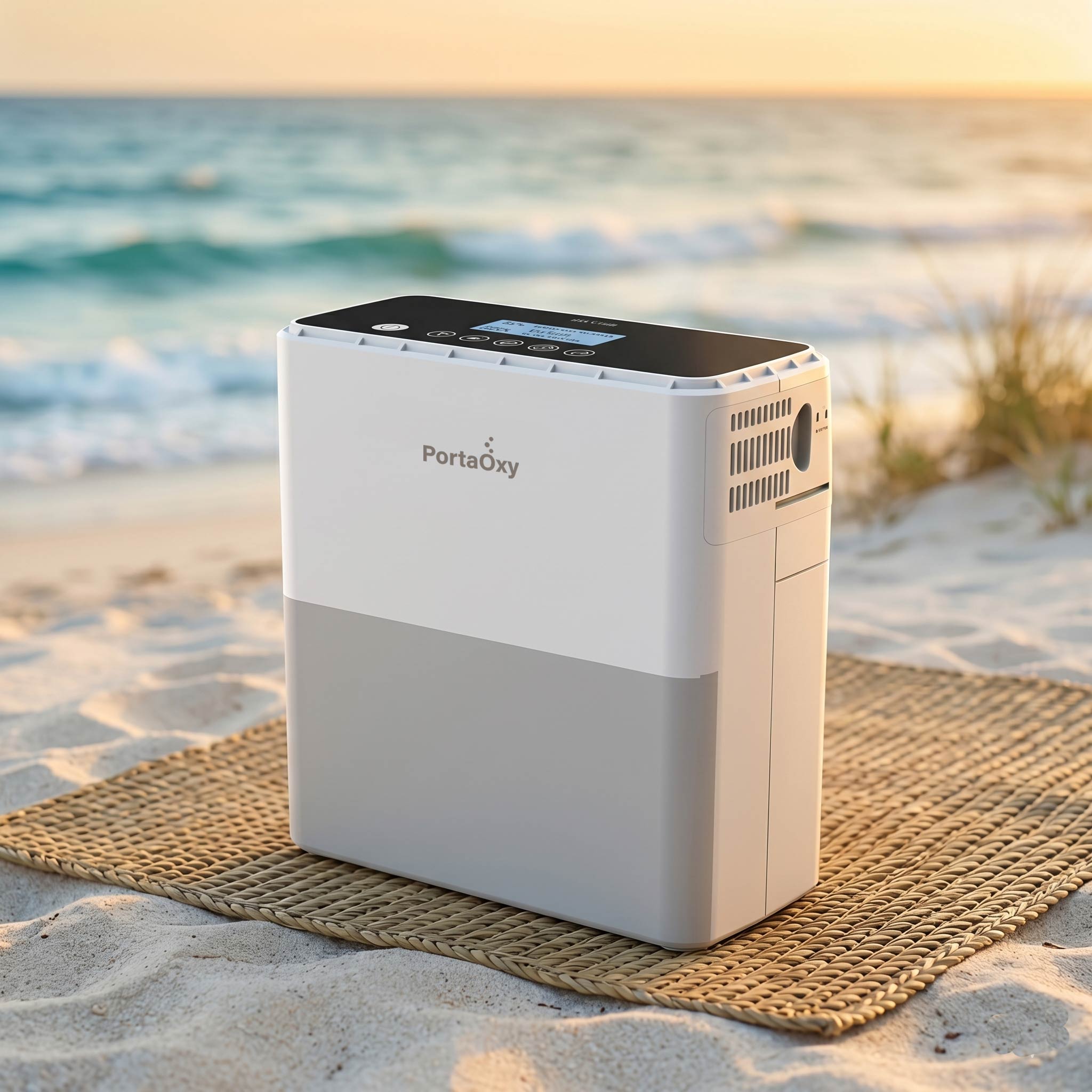
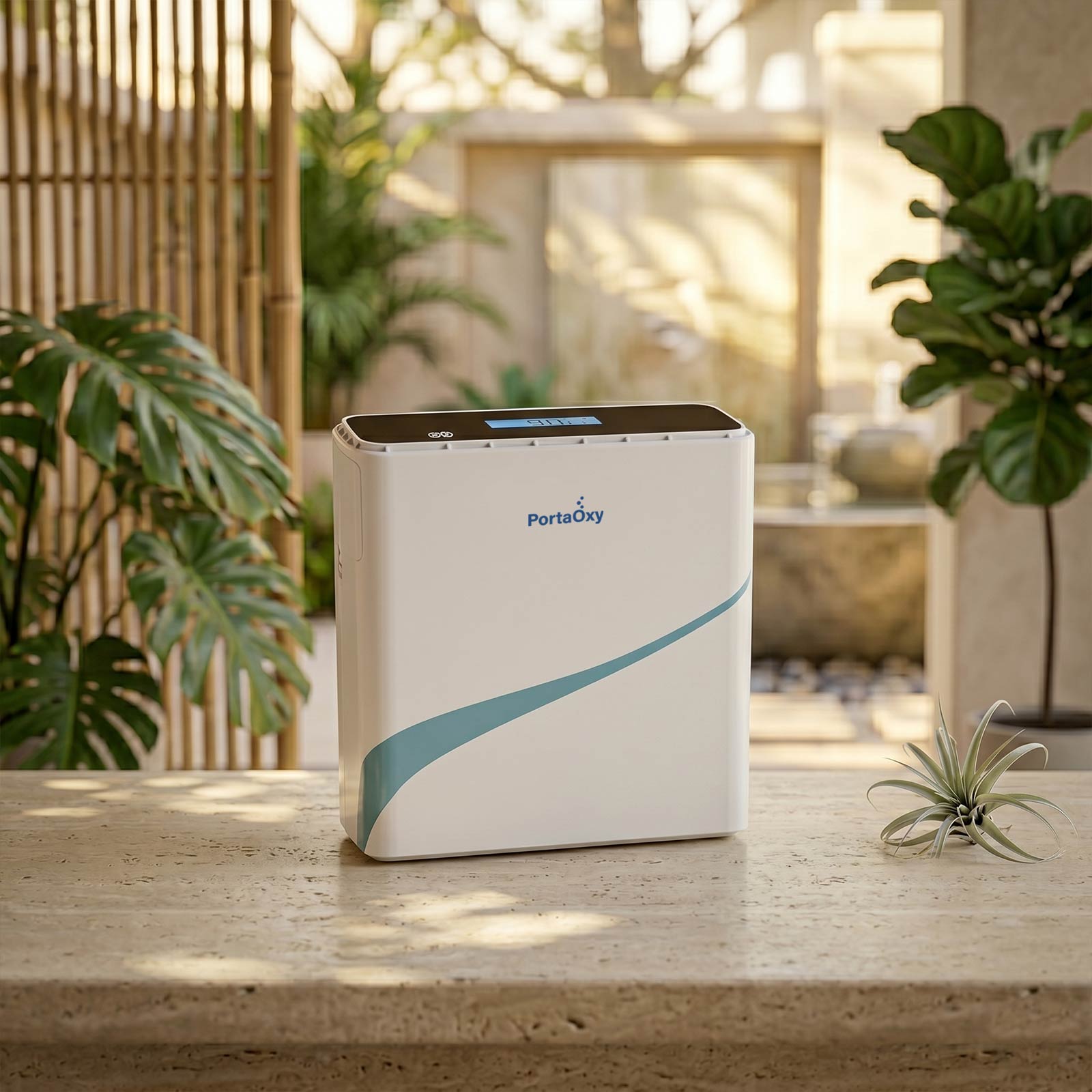
The PortaOxy SJ-1300AC is a notable exception among continuous concentrators. It is lightweight and portable, making it suitable for outdoor use. Key features include:
- Adjustable flow from 1.3L- 6L per minute
- Oxygen Concentration: 28%(6L) - 93%(1.3L)
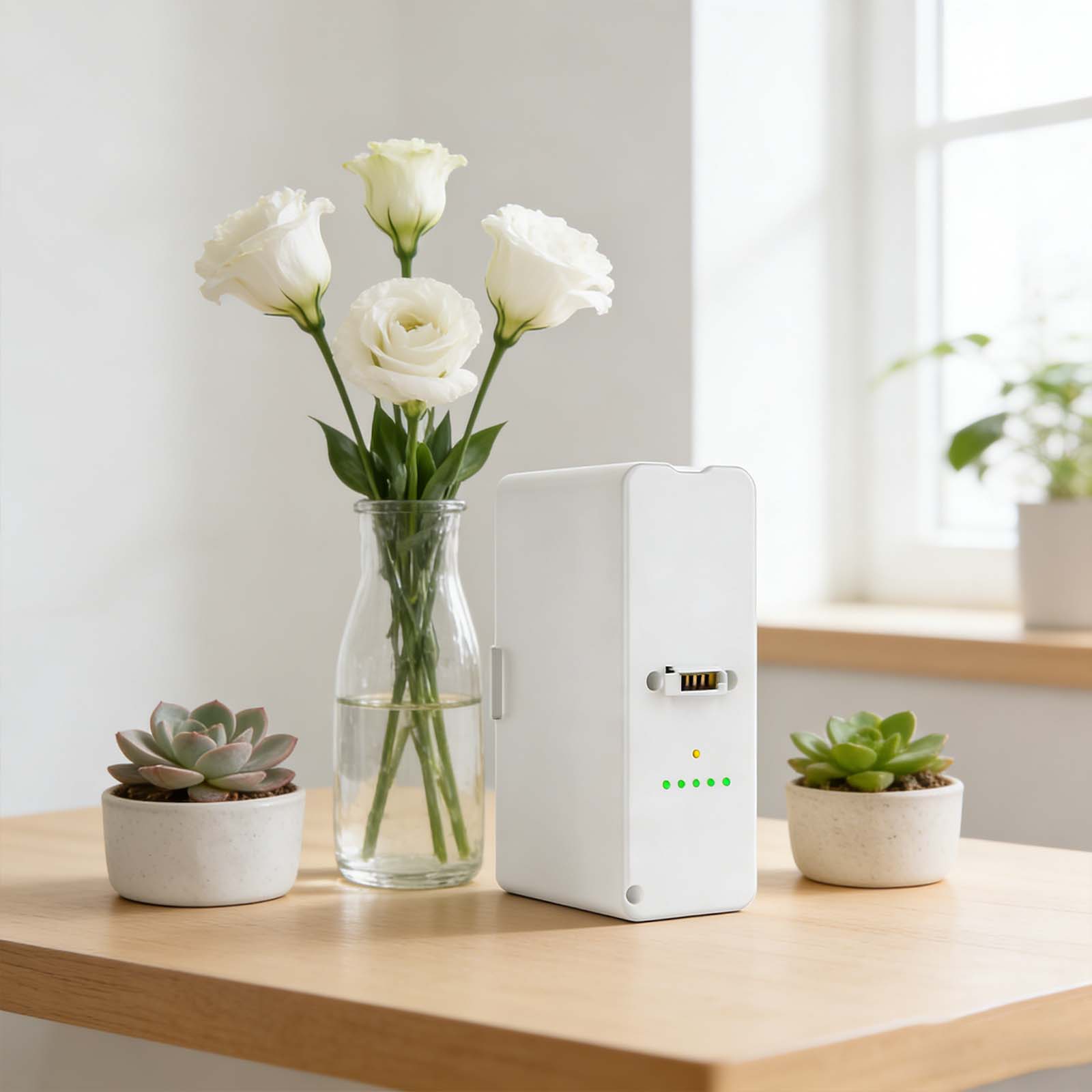
- Rechargeable battery for mobility
- Compact design, easy to carry in a backpack
- Quiet operation, ideal for both home and travel
Despite being portable, most continuous oxygen concentrators require a more powerful motor, which increases weight compared to pulse models.

Pulse Oxygen Concentrators
Pulse oxygen concentrators, on the other hand, deliver oxygen only when the user inhales. This design allows manufacturers to make devices smaller and lighter while including a battery, perfect for outdoor activities.
Popular pulse oxygen concentrators include:
-
Inogen One G4 – Approx. $2,200
-
Philips SimplyGo Mini – Approx. $2,500
Pulse concentrators are ideal for active users who need oxygen intermittently or want to travel with a lightweight device. Most portable oxygen machines on the market today are pulse-type, thanks to their compact size and convenience.
Key Differences at a Glance
| Feature | Continuous Oxygen Concentrator | Pulse Oxygen Concentrator |
|---|---|---|
| Oxygen Delivery | Steady, continuous | On-demand, during inhalation |
| Size & Weight | Large, heavier (5–10L home models) | Small, lightweight, portable |
| Battery | Optional, fewer portable models | Usually included for mobility |
| Best Use | Home, high oxygen needs | Travel, outdoor activities, intermittent use |
Conclusion
Choosing between a continuous oxygen concentrator and a pulse oxygen concentrator depends on your lifestyle and oxygen needs. Continuous units are ideal for home use and higher output, while pulse units are perfect for portability and outdoor use. Devices like the PortaOxy SJ-1300AC offer a rare portable option in the continuous category, combining reliability with convenience.


Leave a comment
This site is protected by hCaptcha and the hCaptcha Privacy Policy and Terms of Service apply.