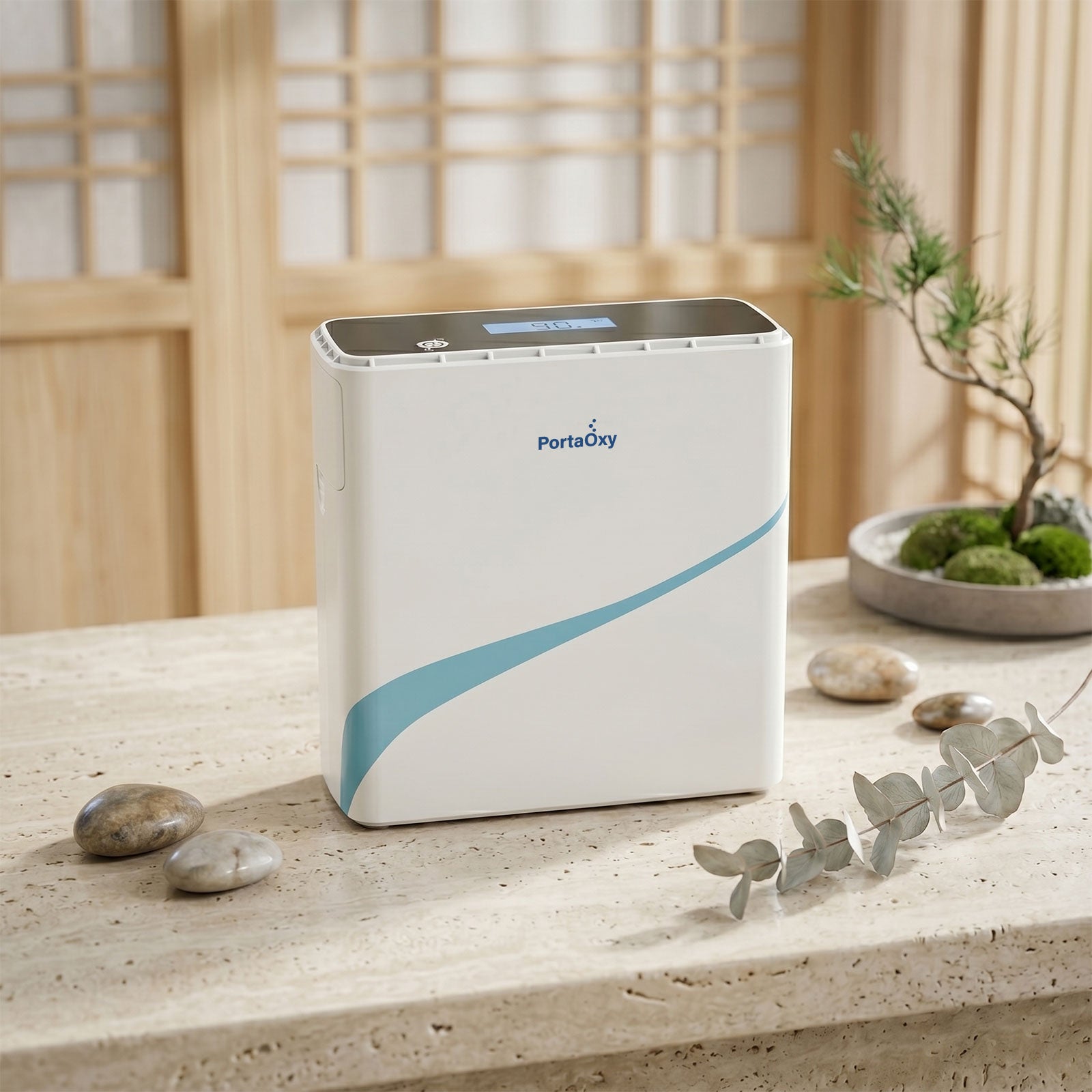
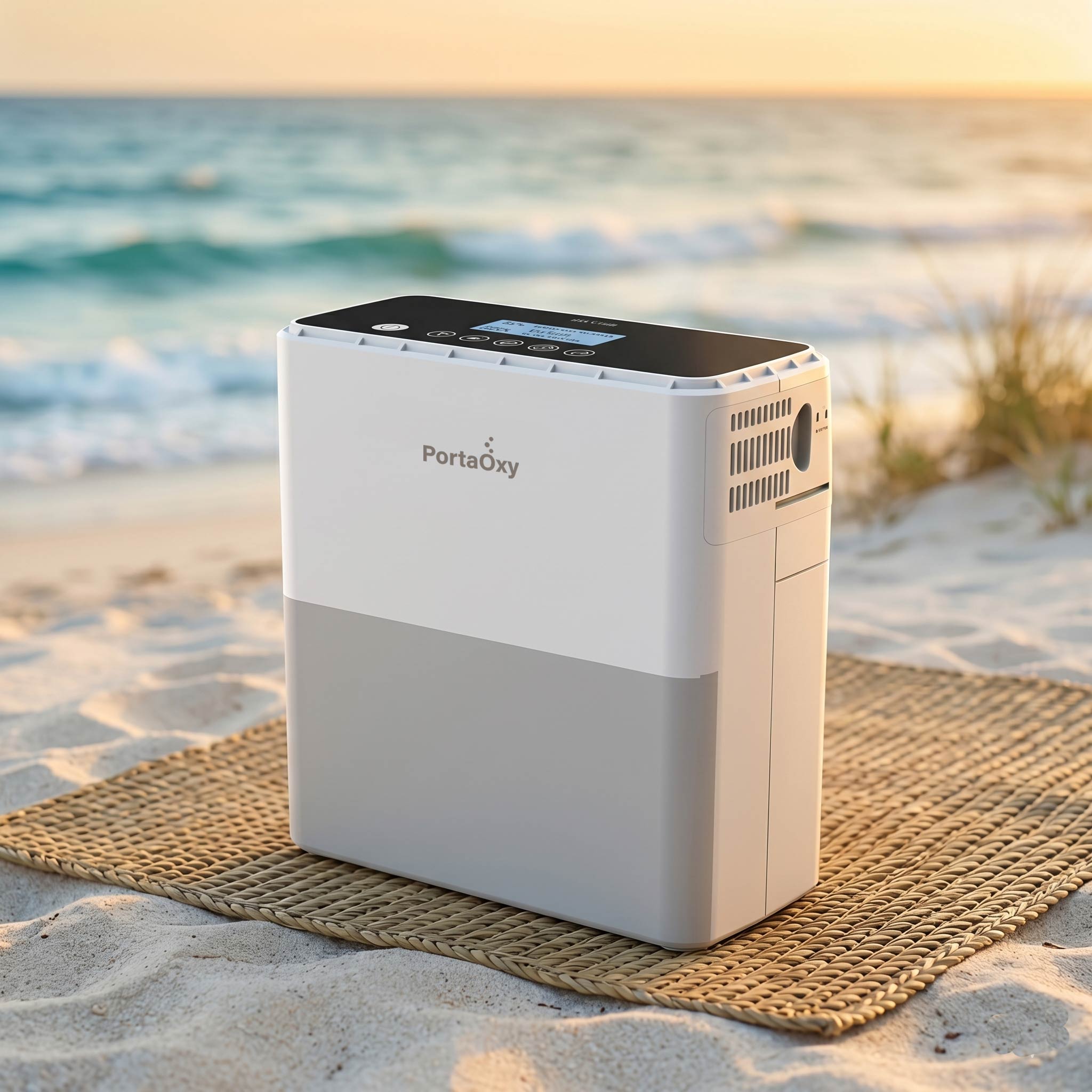


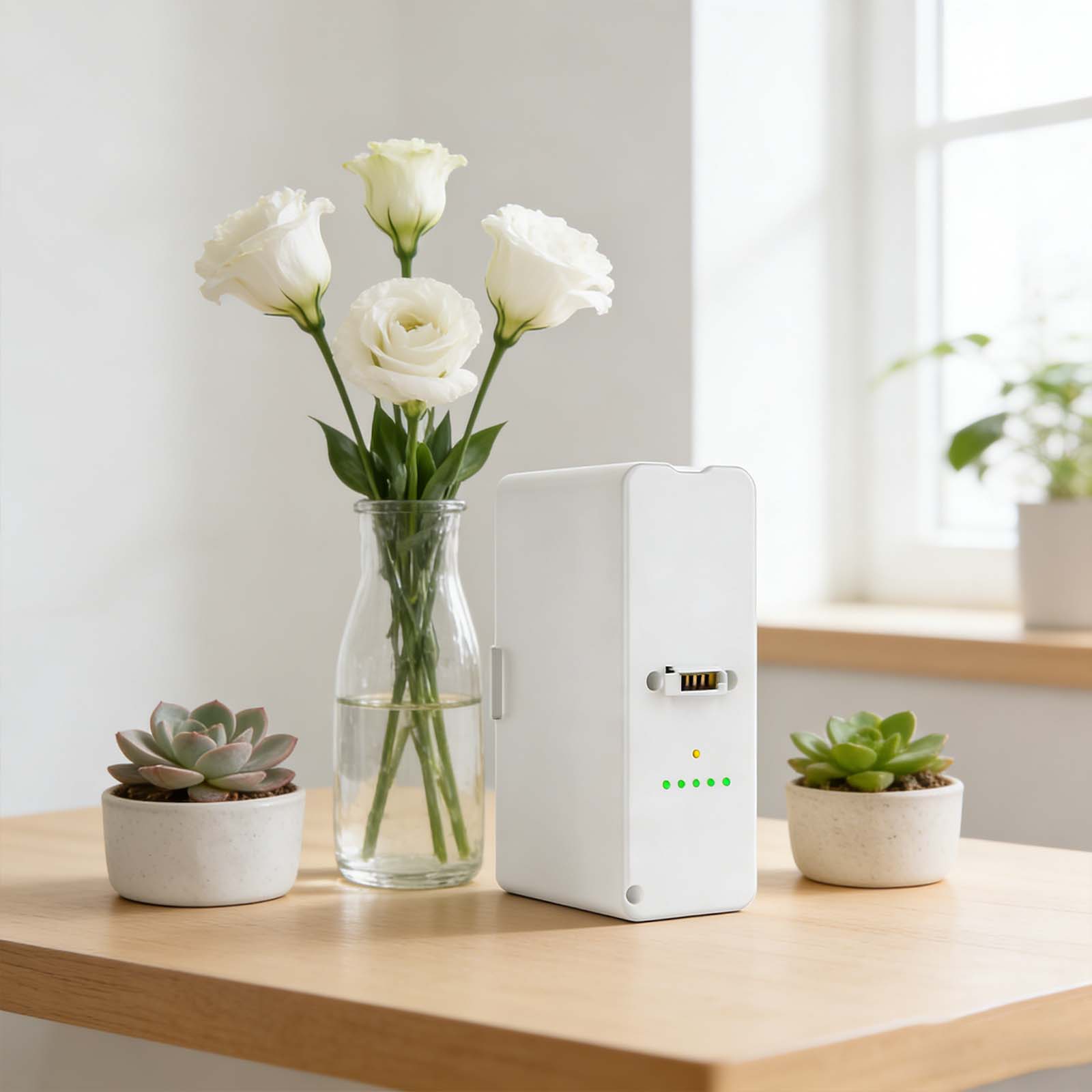

An oxygen concentrator is a device many people use at home or while traveling to access a higher concentration of oxygen from the surrounding air. For beginners, understanding how an oxygen concentrator works can feel confusing, but the basic idea is actually very simple. This article explains the working principle in plain English, without technical jargon, so anyone can follow along with confidence.
The Basic Idea Behind an Oxygen Concentrator
The air around us contains about 21% oxygen, with the rest mostly nitrogen and small amounts of other gases. An oxygen concentrator does not create oxygen or store it in a tank. Instead, it takes in room air, removes most of the nitrogen, and delivers air with a higher oxygen percentage.
Most modern devices are designed to be compact and energy-efficient. Based on commonly published manufacturer specifications, many home units process 5–10 liters of air per minute, while portable models usually operate at lower flow levels to balance size, weight, and battery life.

Step-by-Step: How the Process Works
An oxygen concentrator typically follows these steps:
1. Air Intake
The device pulls in room air through an external filter. This filter helps block dust and larger particles before the air moves inside the system.
2. Air Compression
A small internal compressor increases the pressure of the incoming air. This step allows the device to separate different gases more efficiently.
3. Nitrogen Separation
Inside the unit are special materials known as molecular sieves. These materials temporarily attract nitrogen more than oxygen. As air passes through, nitrogen is held back while oxygen continues forward.
4. Oxygen Delivery
The oxygen-enriched air is then delivered through tubing. At the same time, the separated nitrogen is safely released back into the room. This cycle repeats every few seconds to maintain a steady output.
Why an Oxygen Concentrator Does Not Need Refilling
Unlike traditional oxygen tanks, an oxygen concentrator does not run out of stored oxygen. It continuously uses the surrounding air, which is why no refilling or replacement tanks are required. As long as the device has power and proper ventilation, it can keep working reliably.
Power Use and Everyday Efficiency
Most home oxygen concentrators use approximately 300–600 watts, which is similar to many common household electronics. Portable units are designed to be more energy-efficient and may run for 2 to 6 hours on a single battery, depending on settings and usage patterns.
Key Points for First-Time Buyers
An oxygen concentrator:
- Draws oxygen from room air instead of storing it
- Uses filters, compression, and molecular sieve technology
- Operates with electricity or rechargeable batteries
- Requires basic maintenance, such as cleaning or replacing filters
Understanding how an oxygen concentrator works can help beginners make more confident decisions when comparing different options for home or portable use.


Leave a comment
This site is protected by hCaptcha and the hCaptcha Privacy Policy and Terms of Service apply.