


Choosing between a portable oxygen machine and a traditional oxygen tank can feel confusing, especially if you are new to oxygen equipment. Many older adults in the U.S. want something that is easy to use, reliable, and fits into everyday life without stress. In this guide, we’ll clearly compare these two options so you can decide which solution makes more sense for your lifestyle, comfort, and mobility needs.
Understanding the Basics
Before comparing them side by side, let’s first understand how each option works in simple terms.
What Is a Portable Oxygen Machine?
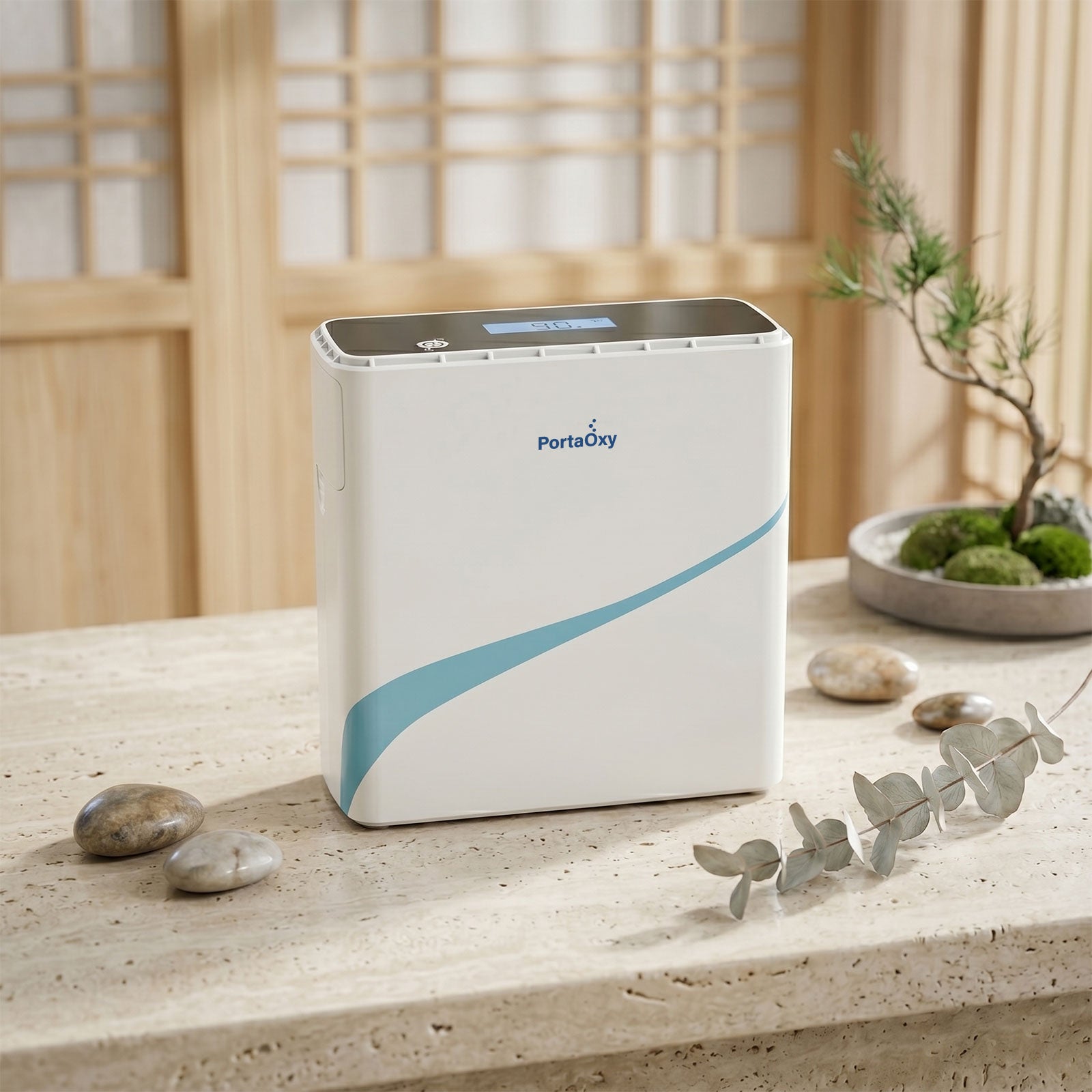
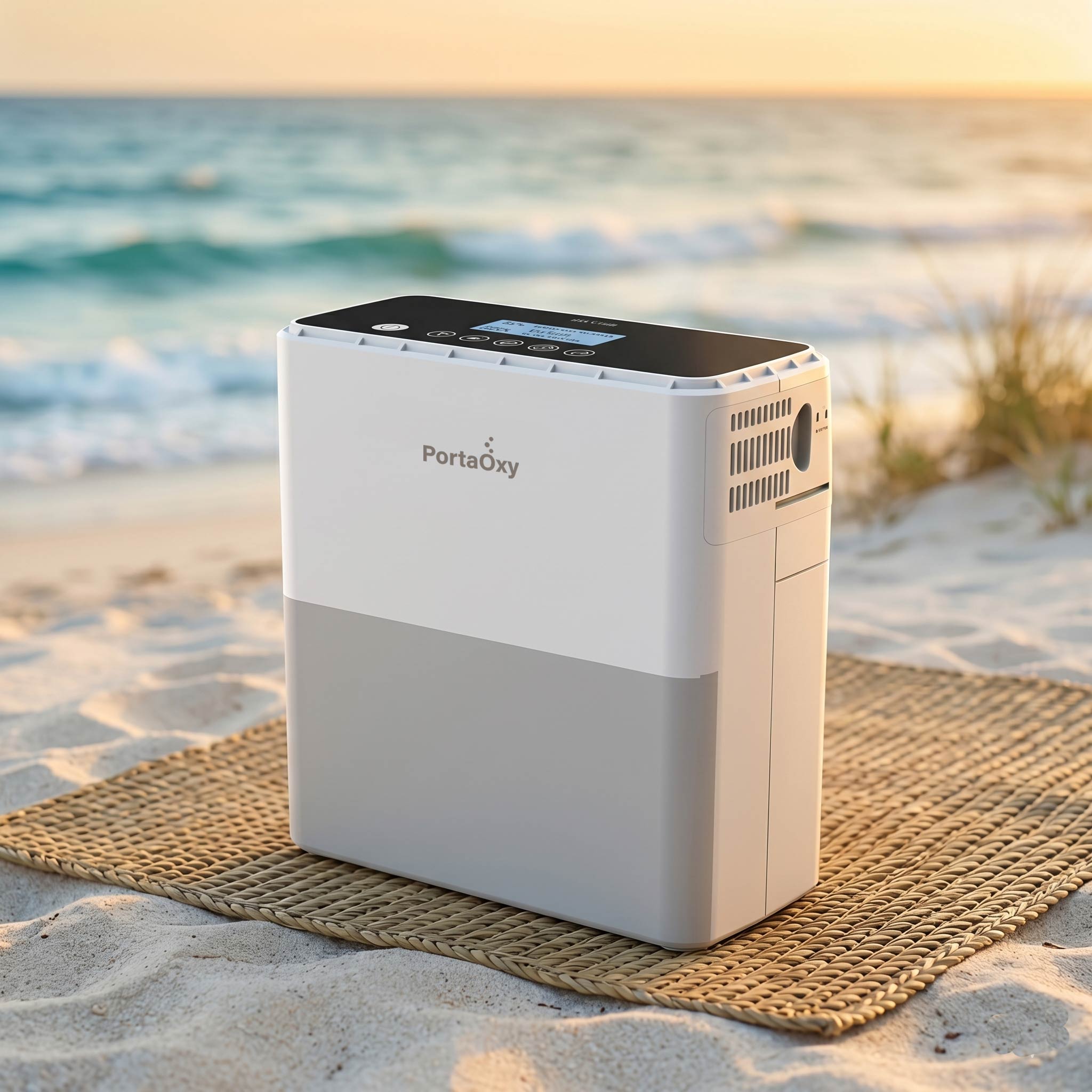
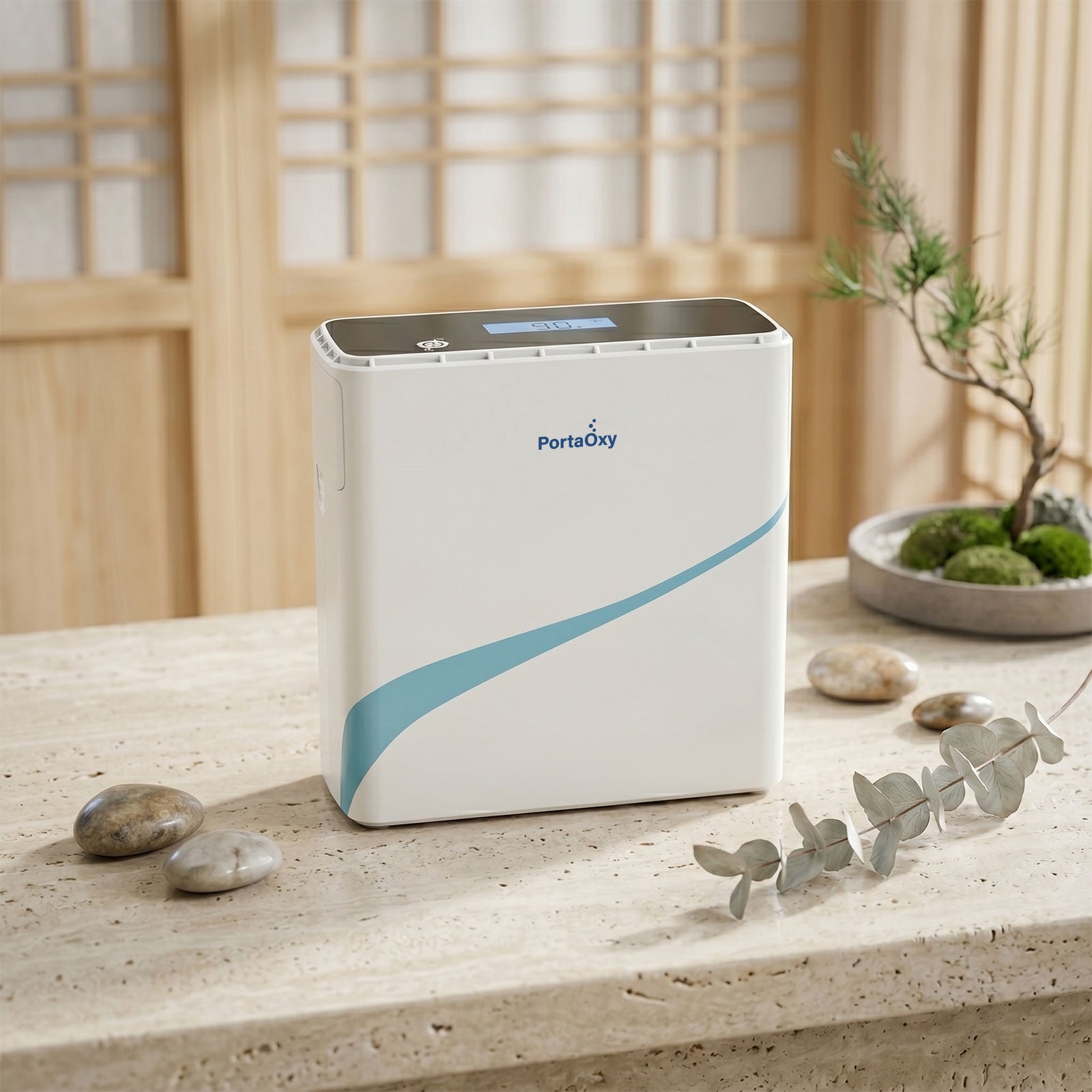
A portable oxygen machine is a compact device that takes in room air, filters out nitrogen, and delivers oxygen-enriched air through a nasal cannula. Most modern models are designed to be lightweight, quiet, and suitable for home use or short trips outside.
Brands like PortaOxy focus on easy-to-operate designs, clear displays, and stable output, making these machines especially friendly for seniors who value simplicity and independence.
What Is an Oxygen Tank?
An oxygen tank stores compressed oxygen inside a metal or aluminum cylinder. Once the oxygen inside is used up, the tank must be refilled or replaced. Tanks come in different sizes, from small portable versions to larger stationary ones for home use.
Portability and Ease of Movement
Mobility is one of the biggest factors for most users.
A portable oxygen machine is built for movement. Many units weigh under 15 pounds and come with carrying handles or shoulder bags. Because the machine produces oxygen continuously from the air, there’s no worry about “running out” during a walk, shopping trip, or family visit—as long as the device has power.
Oxygen tanks, on the other hand, are limited by capacity. A small tank may last only 2–4 hours depending on flow settings. According to industry data, users who rely on tanks often need multiple backup cylinders for a full day outside the home, which adds weight and planning.
For active seniors, a portable oxygen machine is generally easier to manage and less restrictive.
Cost and Long-Term Value
At first glance, oxygen tanks may seem cheaper. However, ongoing costs add up.
-
Oxygen tanks require refills, deliveries, or exchange services
-
Fees can range from $20 to $50 per refill depending on location
-
Over one year, refill costs can exceed the price of a machine
A portable oxygen machine is a one-time investment. Aside from electricity and occasional accessories, there are no refill costs. Many users find that after 12–18 months, a machine becomes more cost-effective than tanks.

Convenience and Daily Use
Convenience matters, especially for older adults.
Portable oxygen machines from brands like PortaOxy are designed with:
-
Large, easy-to-read screens
-
Simple button controls
-
Quiet operation (often under 45 dB, similar to a library)
Oxygen tanks require manual valve adjustments, pressure checks, and safe storage. Tanks must be secured to prevent tipping, which can be inconvenient in smaller homes or apartments.
Safety and Storage
Safety is another important consideration.
Portable oxygen machines do not store large amounts of compressed oxygen, which reduces certain risks. They can be used safely indoors without special storage requirements.
Oxygen tanks contain high-pressure gas and must be handled carefully. The U.S. Department of Transportation notes that improperly secured tanks can become hazardous if knocked over.
Portable Oxygen Machine vs. Oxygen Tank: Side-by-Side Comparison
| Feature | Portable Oxygen Machine | Oxygen Tank |
|---|---|---|
| Oxygen Source | Produces oxygen from surrounding air | Stores pre-filled compressed oxygen |
| Portability | Designed for daily movement and short trips | Limited by tank size and remaining oxygen |
| Weight | Typically lighter and easier to carry | Can be heavy, especially with backup tanks |
| Usage Time | Can run continuously with power supply | Limited to tank capacity (often 2–4 hours per small tank) |
| Refills Needed | No refills required | Regular refills or replacements needed |
| Ongoing Costs | Mainly electricity, low long-term cost | Refill and delivery fees add up over time |
| Ease of Use | Simple controls, clear display, senior-friendly | Manual valve control, pressure monitoring required |
| Storage | No special storage requirements | Must be stored securely due to high pressure |
| Noise Level | Generally quiet, suitable for indoor use | Silent, but less flexible in daily use |
| Travel Convenience | Easier for home use and local outings | Requires planning and spare tanks |
| Lifestyle Fit | Better for active and independent users | Better for short, stationary use |
Which One Should You Choose?
If you spend most of your time at home and rarely go out, an oxygen tank may still work for basic needs. However, if you value freedom, flexibility, and predictable costs, a portable oxygen machine is often the better choice.
Final Thoughts
When comparing a portable oxygen machine and an oxygen tank, the difference comes down to lifestyle. Machines offer more independence, fewer interruptions, and better mobility for everyday life. Tanks may serve short-term or limited-use situations, but they can feel restrictive over time.
For those looking to stay active, comfortable, and confident at home or on the go, a portable oxygen machine is a practical and modern solution worth considering.

Leave a comment
This site is protected by hCaptcha and the hCaptcha Privacy Policy and Terms of Service apply.